In search of structures.
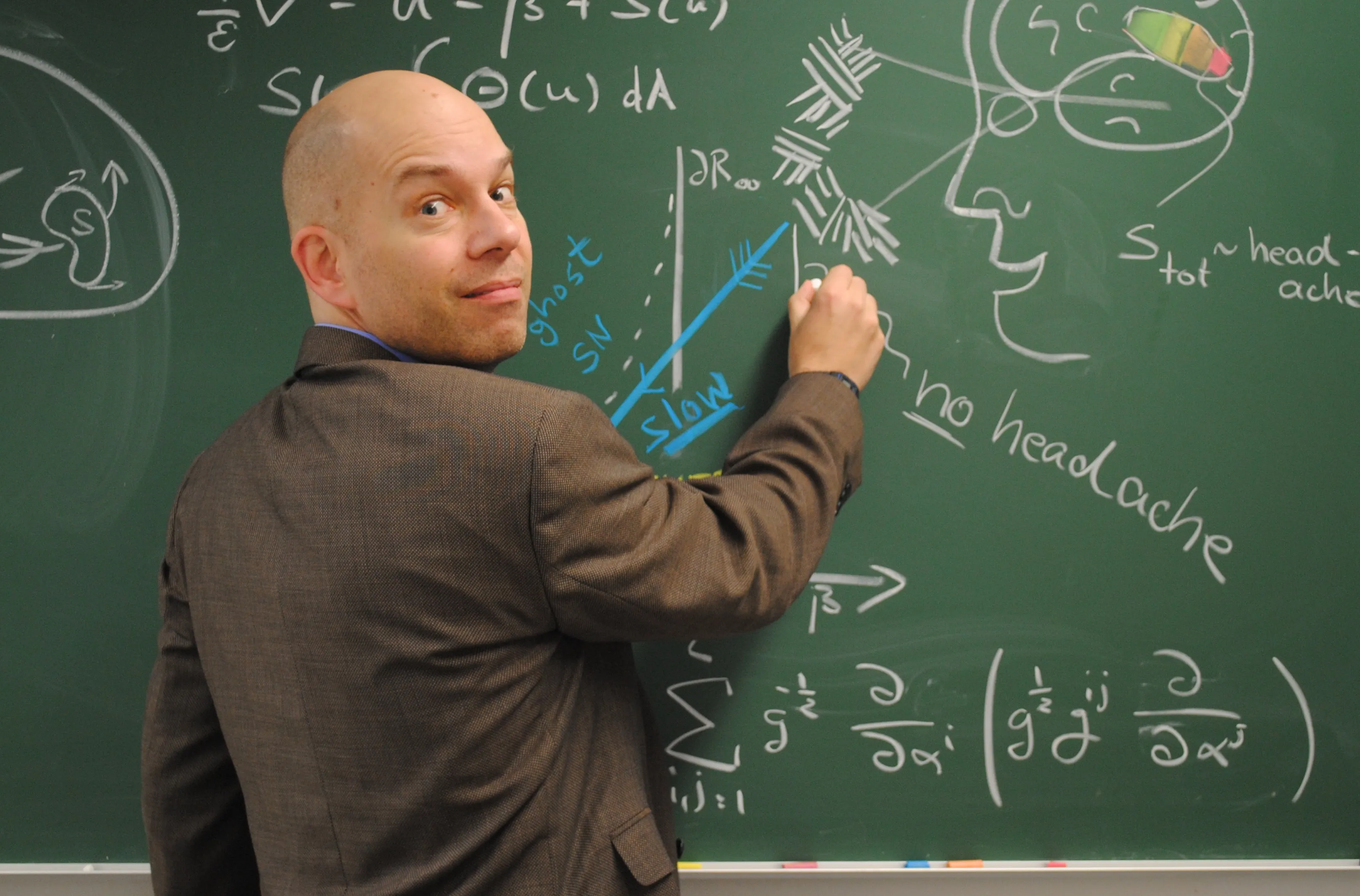
I'm Markus A. Dahlem. This site is my personal collection: blog posts I once published in various places, gathered here — plus the occasional new piece.
A few words about me — and how Altamirage came about.
Looking back, it all began with my first terra incognita. I came to migraine research in the early 1990s — having studied physics first. The physics of migraine became, for me, the question of whether mathematics could retrace what happens in the migraine brain, and how that knowledge might be put to clinical use.
In the early 2000s I wanted to make more of it than research. On a programmable Nokia phone I built a prototype and pitched it to a German health insurer: a way to tell migraine with aura apart from the warning signs of a stroke, and to spare patients unnecessary trips to the emergency room. To this day that idea hasn't really been realised. But the wish to make digital technology useful for care stayed. In 2015 I founded a company — at first with a more tangible approach: digital behavioural therapy for migraine. It did fail after another eight years. Yet our migraine app M-sense was downloaded more than 300,000 times and was among the first prescribable apps (DiGA) in Germany.
Through the US startup Click Therapeutics, schizophrenia and depression joined as new fields for digital medicine — today ADHD and, still, depression at MEDICE. The hinterland of my terra incognita is now this: thinking pharmacological and digital therapy together.
One could read all this as a chain of coincidences. I don't:
Serendipity is when chance shapes a life.
Altamirage is when a life shapes chance.